Turf Programs Built on Condition, Not a Generic Calendar
Fertilization and weed control programs in Macon for lawns where persistent weed pressure or uneven turf density signals that a structured treatment program is overdue
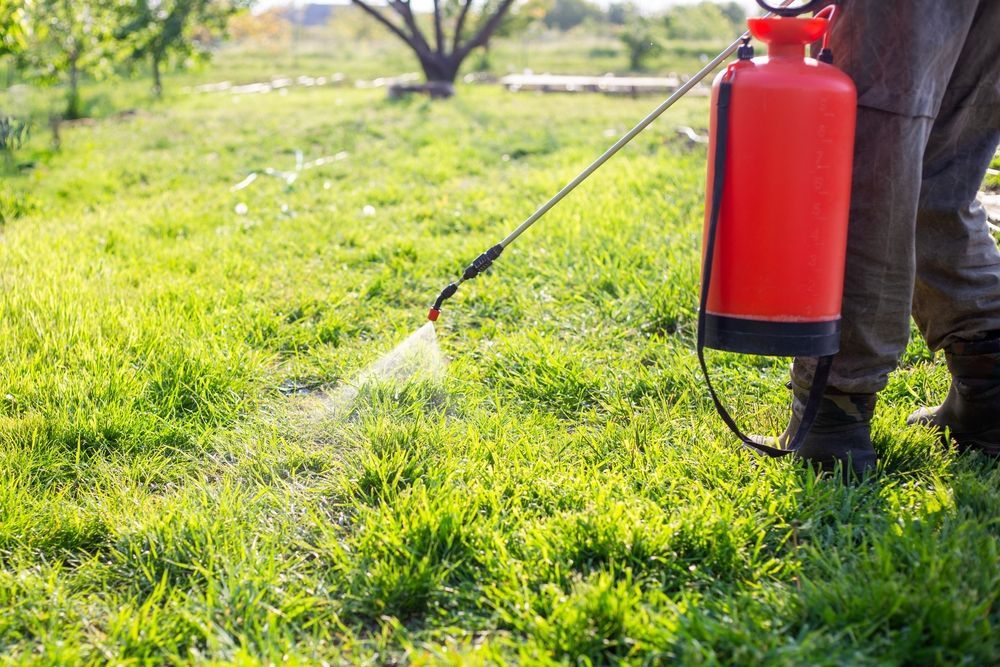
Fertilization and weed control done correctly begins with evaluating what the lawn actually needs rather than applying a standard product on a fixed date. Wilder Land & Lawn Care LLC develops and executes fertilization and weed control programs for properties in Macon by assessing lawn condition and soil needs first, then building a treatment schedule that addresses the specific weed pressure and fertility gaps present on each property. The starting point for every program is observation—what the turf looks like, where weed encroachment is active, and what the soil is or is not providing to the grass root system.
Central Georgia properties face persistent weed competition that does not respond uniformly to a single broadcast application. Targeted weed control applied to active problem areas is more effective than treating the entire lawn surface at the same rate, and the fertilization schedule is structured to support turf density at the times of year when the grass is in its most active growth phase. The crew evaluates the lawn, applies targeted control to areas where weed pressure is heaviest, and schedules fertilization applications in a sequence that supports the turf through the full cycle rather than delivering a single-season correction.
Request a lawn evaluation from Wilder Land & Lawn Care LLC to identify which areas need targeted treatment and what a multi-application program would address on your property.
Why Weed Pressure Persists and How Treatment Programs Interrupt It
Weeds establish most aggressively where turf density is thin—bare patches, areas recovering from stress, and edges where mowing equipment misses or scalps the grass. A fertilization program that builds turf density in those areas closes the gaps that weeds require to germinate and establish, making fertilization and weed control two sides of the same problem rather than separate services. Wilder Land & Lawn Care LLC applies pre-emergent and post-emergent control products based on which weed species are actively present, because applying a pre-emergent after target weeds have already germinated accomplishes little, and applying a broad post-emergent to turf that doesn't need it adds chemical exposure without a functional benefit.
After a structured program runs through its first full cycle, the observable changes in the lawn are specific: weed density in treated areas decreases as existing plants die back and new germination is suppressed, turf color becomes more uniform as fertility improves, and the grass surface thickens in areas that previously showed thin or patchy coverage. In neighborhoods like Centerville and Kathleen where properties include both established turf areas and sections that have had minimal prior treatment, the starting condition of each zone affects how quickly those changes become visible.
Programs are customized by property size and treatment goals—a lawn being maintained at a high appearance standard requires more frequent attention than a lawn managed primarily for functional coverage, and the application schedule reflects that difference. Acreage and treatment frequency together determine how the program is structured and what each seasonal application is designed to accomplish.
Questions Before Starting Your Fertilization Program
The questions below address how fertilization and weed control programs are built, applied, and adjusted for the lawn conditions common on Macon-area residential and rural properties.
How does the crew determine which areas need targeted weed control versus full-lawn treatment?
The lawn evaluation identifies where weed pressure is actively concentrated—heavy infestations in defined zones receive targeted applications, which uses product more efficiently and avoids blanket treatment of areas where the turf is already competing effectively on its own.
What is the difference between pre-emergent and post-emergent weed control, and when does each apply?
Pre-emergent products interrupt weed seed germination before seedlings emerge from the soil and must be applied before the target weed germinates to be effective; post-emergent products address weeds that have already established and are actively growing above the soil surface.
How does fertilizer application timing affect whether the turf actually responds to the treatment?
Fertilizer applied outside the active growth window for the turf type on your lawn delivers less benefit because the grass root system is not in a state of active nutrient uptake—timing applications to match growth phases is what separates a program that produces visible turf improvement from one that produces marginal results.
What turf conditions indicate that a fertilization program is actually working?
Turf density increases in previously thin areas, color becomes more uniform across the lawn surface, and the grass recovers from stress more quickly between maintenance visits—those changes accumulate across multiple application cycles rather than appearing after a single treatment.
How does a property's history of prior treatment affect how the program is structured in the first year?
A lawn that has had no prior fertility or weed control program typically requires more corrective work in the first year to address accumulated weed pressure and soil depletion before the maintenance phase of a long-term program can begin, which is why the initial assessment drives the treatment plan.
Wilder Land & Lawn Care LLC also provides fertilization and weed control programs in Warner Robins, Bibb County, Byron, Centerville, and Kathleen. To schedule a lawn condition evaluation and discuss a treatment program for your property, call Wilder Land & Lawn Care LLC at (706) 427-3226.