
Wildlife Habitat Built Around Actual Property Conditions
Food plot management and wildlife planting in Macon for hunting and wildlife properties that need sustained forage and structured habitat throughout the year
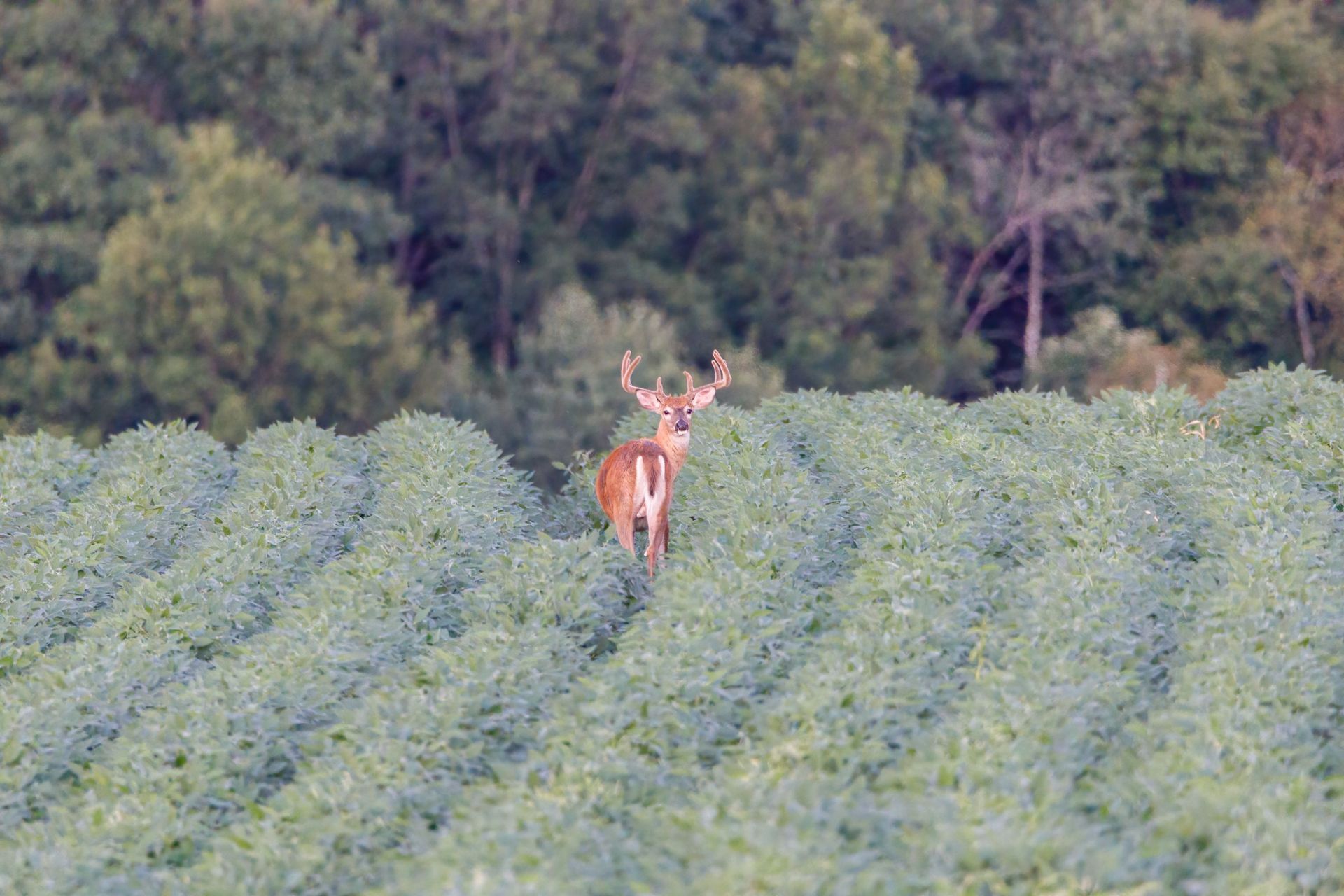
What changes on a hunting property once food plots are properly established and maintained is straightforward: game moves through the area more predictably, forage is available at the times of year that matter most, and the land works as a managed habitat rather than passive acreage. Wilder Land & Lawn Care LLC produces that result through food plot management and wildlife planting services for rural properties in Macon, applying the site evaluation, soil preparation, species selection, and ongoing maintenance that sustains plots across growing seasons. The work is designed for property owners who want functional wildlife habitat, not just a seeded clearing.
The process starts with assessing the property layout—specifically how sunlight reaches candidate plot locations and how existing vegetation, topography, and access routes constrain where plots can be located effectively. Optimal plot sites balance sun exposure, proximity to cover, and accessibility for equipment during planting and maintenance visits. From there, the crew prepares the soil, selects and plants seasonal species appropriate for Central Georgia wildlife, and schedules follow-on maintenance including mowing and replanting as species and conditions require.
To begin planning a food plot program for your property, arrange a site evaluation with Wilder Land & Lawn Care LLC to review layout, plot placement, and species options.
What Ongoing Food Plot Management Actually Involves
A food plot that is planted once without follow-up maintenance rarely sustains itself. Weed pressure competes with forage species, soil conditions shift with use, and plots that are not mowed at the right growth stage lose effectiveness as wildlife attractants. Wilder Land & Lawn Care LLC structures food plot programs to include the full cycle of activity—site preparation, planting, and timed maintenance throughout the year—rather than treating each visit as a standalone job. That sequencing matters because the timing of mowing relative to plant growth stage directly affects how available and attractive the forage remains.
Once plots are established and on a maintenance schedule, you will notice forage species holding at productive heights between maintenance visits, weed competition staying suppressed at the edges and interior of each plot, and consistent site activity during the periods you are managing for. Properties in the Centerville and Kathleen areas that include undeveloped woodland and transition zones benefit from plot placement that works with those existing edges rather than against them, positioning forage where game naturally moves between cover and open ground.
Species selection shifts based on what you are managing for—warm-season plantings serve different purposes than cool-season mixes, and a property managed for year-round wildlife activity requires a planting calendar that accounts for both. Acreage and the number of individual plot locations determine the scope of the program, and each property is evaluated on its specific conditions rather than a generic species list.
Answers About How Food Plot Work Is Done
These questions address the mechanics of food plot preparation, planting decisions, and what drives the management approach on Central Georgia hunting and wildlife properties.
How is the right location for a food plot determined on a property?
The crew evaluates sun exposure at candidate sites, existing vegetation that would require removal, proximity to natural cover, and whether equipment can access the site for planting and maintenance—all of those factors together determine where a plot will actually perform versus where it will struggle.
What soil preparation happens before a food plot is planted?
Soil is worked to create a seedbed appropriate for the species being planted—this typically involves tilling or discing to break up compaction, addressing weed growth that would compete with new plantings, and confirming that the surface will allow seed-to-soil contact at the depth the selected species requires.
How does mowing fit into food plot maintenance, and when does it happen?
Mowing is timed to the growth stage of forage species rather than to a fixed calendar—cutting too early removes productive forage, while cutting too late allows plants to mature past the stage at which they attract game, so maintenance visits are scheduled based on how the plots are developing.
What determines which species are planted on a specific property?
Species selection is based on the planting season, the type of game being managed for, sunlight availability at the plot site, and the soil conditions found during preparation—there is no single species mix that works across every property and every management goal.
How does established woodland edge on a Macon-area property affect plot placement decisions?
Transition zones between timber and open ground function as natural movement corridors, so plot placement that positions forage adjacent to those edges takes advantage of how game already moves through the property rather than requiring game to change its patterns to find the plot.
Wilder Land & Lawn Care LLC also provides food plot management and wildlife planting in Warner Robins, Bibb County undeveloped areas, Byron, Centerville, and Kathleen. To discuss your property's layout and what a managed planting program would require, call Wilder Land & Lawn Care LLC at (706) 427-3226.
